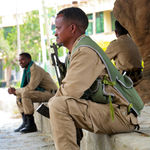
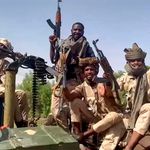
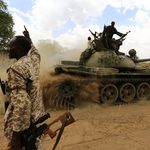
The Sudanese uprising of 2013 in which about 100 people were killed by security forces prompted deep reflections within the ruling elite on how to prevent a recurrence.
The one-month deadly riots — that came to be known as Sudanese Intifada — spread to the cities of Khartoum, Omdurman, Port Sudan, El Obeid and other towns, not only challenging President Omar al-Bashir’s then 24-year rule, but also exposing Sudan to further international scrutiny in addition to the indictment by the International Criminal Court over atrocities in Darfur.