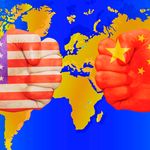
Multipolarity is often sold as Africa’s opening. More external actors, more offers, more room to manoeuvre. The story is attractive because it promises relief from dependency without confrontation. Yet it confuses choice with power. Power is the capacity to organise options, price alignment, and enforce terms. In a crowded international system, weakness is not cushioned by alternatives. It is exposed by them.
Africa matters more because the world needs what it can withhold or price: Transition minerals, expanding markets, maritime choke points, and digital scale. In practiced hands, that becomes leverage over access, supply chains, votes, and standards. But relevance is not authority. The decisive question is whether African states can convert attention into enforceable outcomes.