Political finance reform: Africa's next democratic frontier
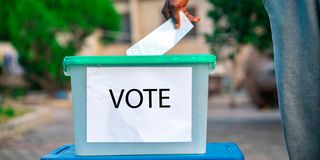
The rising cost of politics is reshaping who can participate in public life, who can compete for elective office, and whose interests are ultimately represented.
Across Africa, political finance is receiving renewed attention. The African Union's Model Law on Political Party Financing has established an important regional framework for reform, while Resolution 11/7, adopted at the 11th Conference of the States Parties to the United Nations Convention against Corruption (UNCAC), has reinforced international commitments to greater transparency and accountability in the financing of political parties, candidates, and electoral campaigns. At the same time, the growing Community of Practice on Money in Politics in Africa is bringing together policymakers, researchers, oversight institutions, and civil society organizations to exchange knowledge, build evidence, and advance reform across the continent. These developments have created a real opportunity to move from commitments to implementation of the reform agenda on political finance.
Across many African countries, the rising cost of politics is reshaping who can participate in public life, who can compete for elective office, and whose interests are ultimately represented. Political actors no longer compete on equal terms. Access to financial resources increasingly determines who can campaign, win political office and who can govern. This trend weakens representation, erodes public trust, reduces accountability, and fuels instability, particularly in fragile contexts.