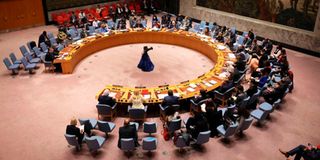
Africa’s desire to be fully represented in all decision-making organs of the United Nations (UN), particularly in the security council, is informed by three factors. First, repairing the historical injustice of its underrepresentation in global governance. Second, recognising African contributions in shaping the contemporary world order. Third, the urgency of securing the legitimacy of the UN in the face of emerging threats to international peace and security.
At the African Union’s fifth ordinary session held in Sirte, Libya in 2005, African leaders adopted the Ezulwini consensus. It expressed Africa’s desire to be fully represented in all decision-making organs of the UN, particularly in the security council.