After the devastating 1994 genocide, Rwandans returning from the violence established homes and began farming where they could find land.
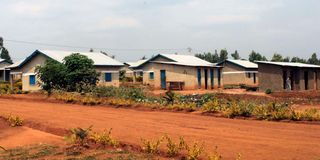
Since then, the Rwandan government has aimed to bring people scattered across rural parts of the country into grouped settlements which they have called “model villages”. These are intended to provide extra support for highly vulnerable residents, such as the homeless and those who are living in “high risk zones” – areas prone to floods, drought and mudslides, and which are likely to be affected by climate change in the future.