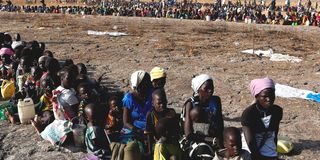
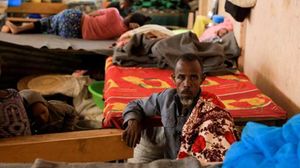
Women and children wait to register for food aid in Thonyor, Leer State, South Sudan—a stark reminder of the country’s deepening poverty and dependence on humanitarian relief.
Most accounts of African politics begin with corruption, weak institutions and failed governance. Poverty is not a backdrop. It is the terrain on which politics is built and contested.
Where the state does not deliver health, education, housing and security as rights, survival runs through intermediaries. Party agents, chiefs, pastors, marabouts, union organisers and settlement bosses link citizens to power. They distribute food, jobs, contracts and protection. They are the political system.