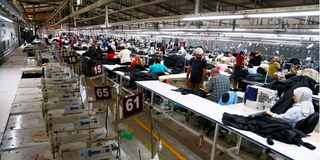
For much of the last three decades, following the end of the Cold War, governments were encouraged to step back and let markets decide.
Growth, we were told, would follow efficiency, openness and integration. In 2026, that advice no longer reflects how industry grows or how economic success is shaped. This is not because markets have failed—markets still matter, but they no longer operate in isolation from public policy.