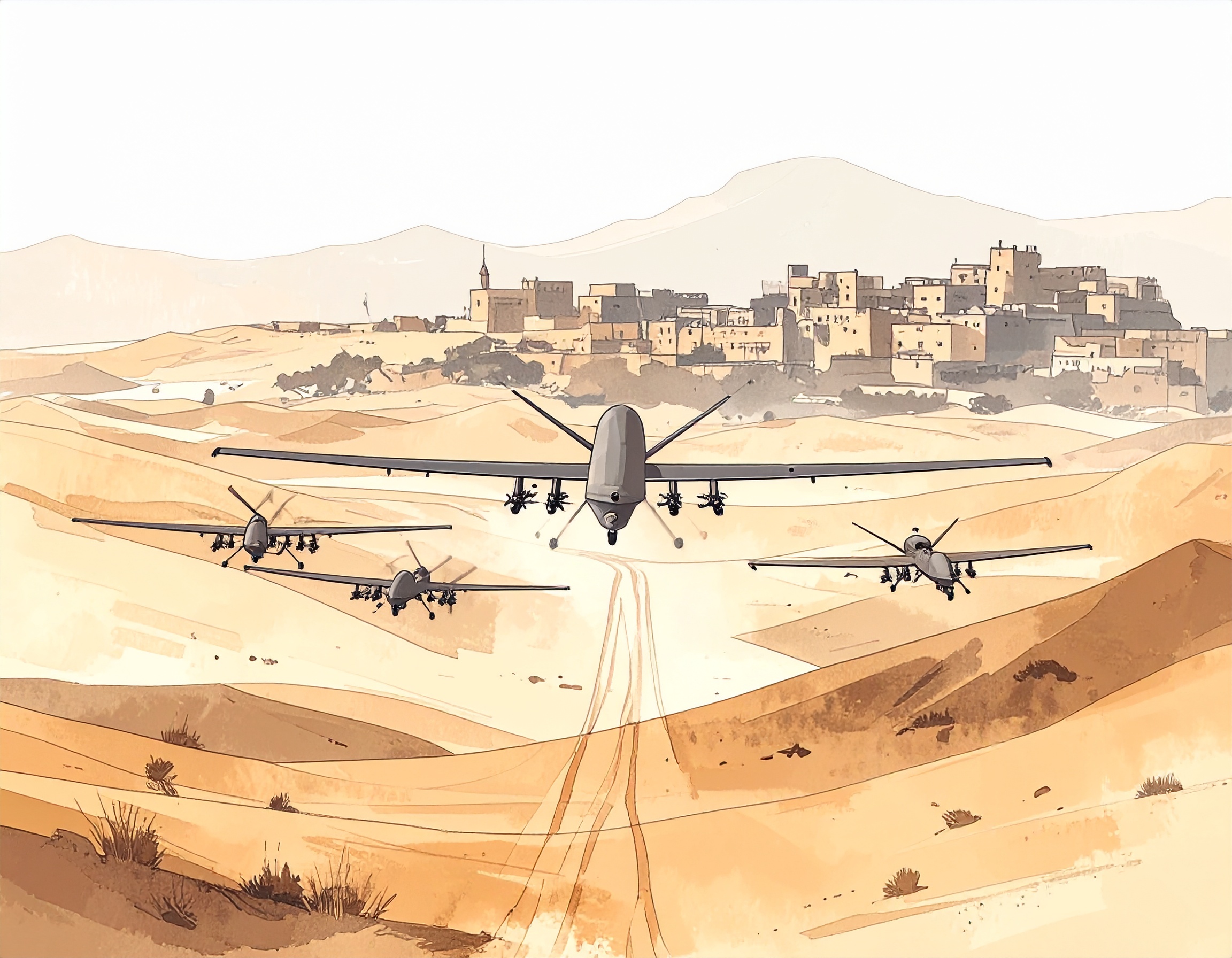
How armed drones are redefining warfare in Africa
An in-depth analysis of the technological shift transforming regional conflicts
 By Mike Yambo|
 Illustrated by Geoffrey Onyambu| Published Oct 3, 2025
From the highlands of Ethiopia’s Tigray, where federal troops clashed with rebels, to war ravaged streets of Khartoum, and the plains of Somalia where government troops and their allies fight Al-Shabaab insurgency, one sound has become chillingly familiar: the persistent buzz of an armed drone.
Once the hallmark of superpowers, unmanned aerial vehicles (UAVs) now dominate East Africa’s battlefields. Their rise has not only redefined frontlines but also unleashed devastating consequences for civilians.
A weapons analyst that tracks arms flows in global conflicts told The East African that the rapid spread of drones is driven by “foreign suppliers and weak global controls.” Their influx, he warned, has injected unprecedented firepower into wars already defined by ethnic rivalries, insurgencies, and urban combat.
“They are cheap, accessible, and capable of immense destruction,” he added.
The civilian cost is staggering. A Drone Wars UK report published in March 2025 reveals that at least 943 civilians were killed in 50 drone strikes across Africa between November 2021 and November 2024.
The African drone procurement data by Military Africa classifies the diverse drones appearing in African skies into three broad tiers.
Class I includes small, hand-launched drones used mainly for reconnaissance, with limited ranges of up to 80 kilometers. Class II are larger “tactical” UAVs, offering up to 10 hours of endurance and ranges of 200 kilometers, sometimes armed with light weapons. Class III ( MALE ), however, encompasses the most advanced systems - medium and high-altitude drones capable of carrying missiles and guided bombs for over 24 hours.
Military Africa’s report highlights that East Africa’s frontlines have procured a fair share of Class I drones, however, the arrival of Class III systems - Turkey’s Bayraktar TB2, China’s Wing Loong, and Iran’s Mohajer-6 has redrawn the region’s wars. East Africa now operates at least 57 of these advanced systems, once only fielded by the US, UK, and Israel.
An Open Market
Since 2015, China and Turkey have emerged as dominant suppliers, offering affordable systems with few restrictions. Drone Wars UK observes that the unchecked flow of MALE drones into Sudan, Somalia, and Ethiopia reflects a global arms market where regulation is hard to implement.
On the ground, the impact is stark. The weapons analyst who spoke to The East African revealed that Sudan’s RSF is deploying a diverse fleet of drones, many originating from China. FPV (First-Person View) drones, which are cheaper and easier to modify, have become a growing feature of Sudan’s conflict, with supply chains traced back to East Asian hubs like China and Hong Kong.
These routes are facilitating not only the influx of hobby-grade UAVs but also higher-grade combat systems.
Despite a long-standing UN arms embargo in Sudan, Amnesty International has similarly warned of the steady proliferation of advanced Chinese arms in Sudan, drones among them, underscoring how loopholes in global controls have left battlefields awash with foreign-supplied technology.
Shedding further light into this subject, the analyst stressed the need to distinguish the types of drones currently in use in East Africa’s conflicts.
“Non-state groups like the RSF and Al-Shabaab rely on a mix - military-grade systems alongside cheap, off-the-shelf commercial drones,” the analyst explained.
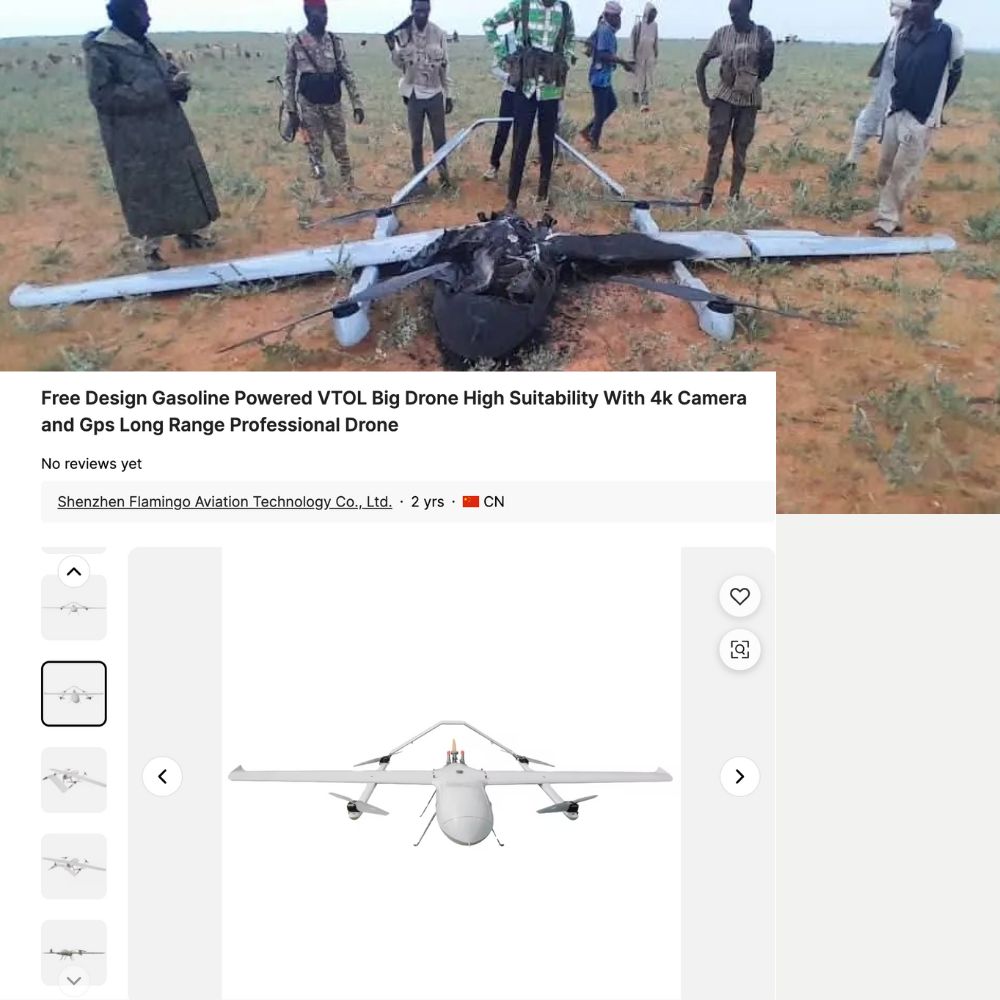
Below: A photo of a fixed-wing VTOL ( Vertical Take-Off and Landing ) surveillance drone. Credit: Alibaba.
Ethiopia entered the drone wars in 2021, deploying Chinese Wing Loong I and Turkish Bayraktar TB2 during the Tigray conflict. These drones shifted momentum in favor of the Ethiopian National Defence Force (ENDF) but at staggering civilian cost.
Minutes from Turkey’s parliament in August 2024 acknowledged that TB2s licensed by Ankara’s defense ministry had been used in “mass civilian casualty” strikes, underscoring the devastating impact of foreign-supplied weapons.
Similarly, Mogadishu acquired TB2s in March, under President Hassan Sheikh Mohamud, who claimed they would alter the fight against Al-Shabaab - further binding Somalia to Turkey, already its key military partner through a major training base in the capital.
Collectively, the three countries have brought in more than a dozen Class III systems since 2021, transforming their battlefields.
Civilian Harm
Fundamentally, the introduction of drones has bolstered battlefield tactics. Armed UAVs give governments persistent surveillance, long-range strike capacity, and the ability to project power deep into contested territory without risking pilots.
However, the claim by the same authorities that MALE drones enable “precision strikes” with minimal collateral damage has been repeatedly disproven. Across East Africa, strikes have killed civilians in markets, schools, funerals, and homes.
United Nations documentation shows that between 4 August and 31 December 2023, unmanned aerial vehicles by government forces resulted in 248 civilian deaths in Ethiopia.
Speaking during a briefing on Ethiopia, Liz Throssell said, “The use of unmanned aerial vehicles by Government forces resulted in 248 civilian deaths between 4 August and 31 December 2023, and destroyed vital infrastructure, including schools and hospitals, raising concerns about the extent of compliance of these strikes with international law,” Throssell added.
In Somalia, the two drone strikes with Turkish drones on 18 March 2024 on Jaffey Farm, Lower Shabelle region, killed 23 civilians, including 14 children.
A report by Amnesty International highlighted the incident, while also confirming use of MAM-L glide bombs dropped from TB2 drones.
In Sudan, SAF drone strikes have become routine. A drone strike on Al-Safiya Mosque and adjacent homes, during dawn prayers in El Fasher on 19 September 2025, killed at least 75 worshippers, including children.
At least 40 further drone strikes have taken place in Khartoum from April 2023 to September 2024, according to drone wars. While the scale of casualties in many of these cases remain unknown, it is clear that drone warfare in such densely-populated areas leads to significant civilian harm.
The New Reality
Between 2020 and 2022, drone procurement surged across Africa, as per Military Africa. The consequences are now visible: unchecked proliferation, rising civilian death tolls, and militaries emboldened by a technology once reserved for superpowers.
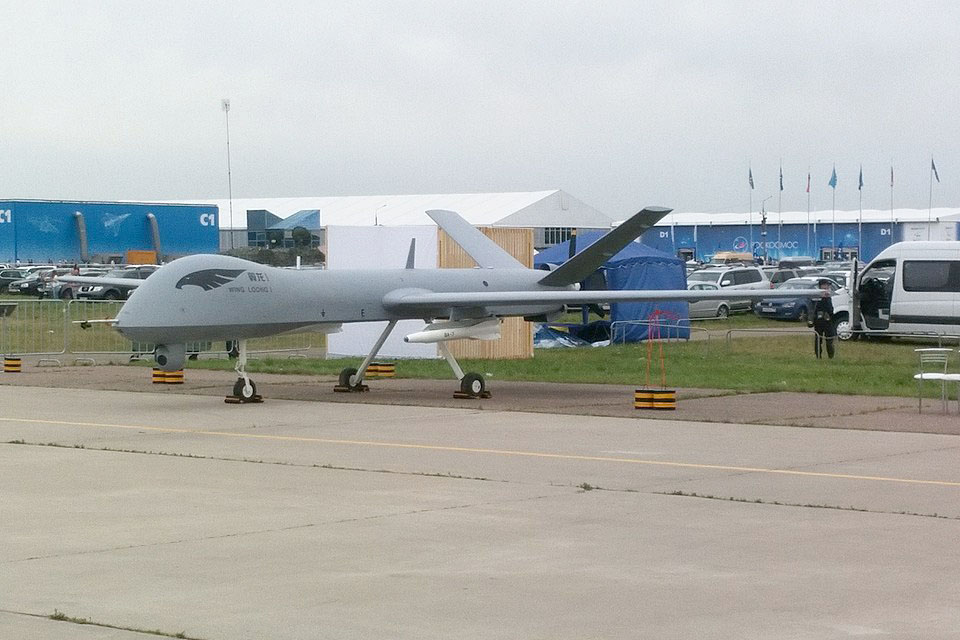
Wing Loong I
Origin: China
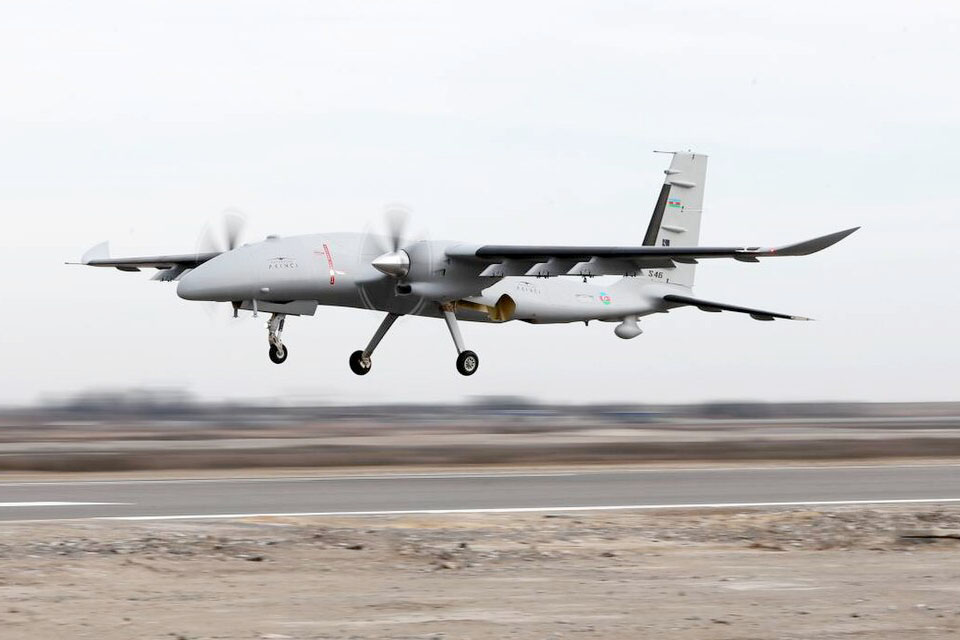
Bayraktar Akinci
Origin: Turkey
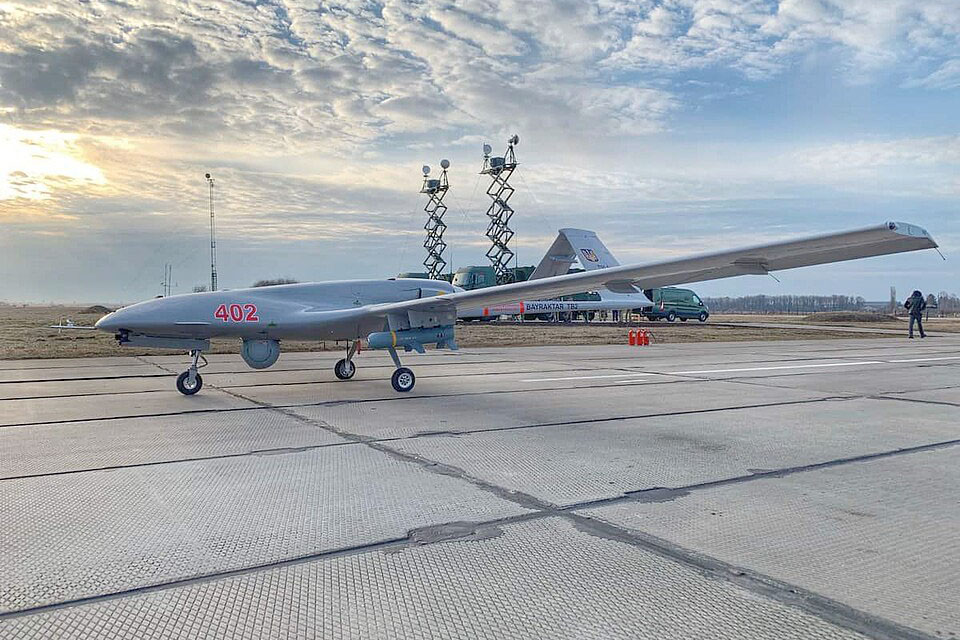
Bayraktar TB2
Origin: Turkey
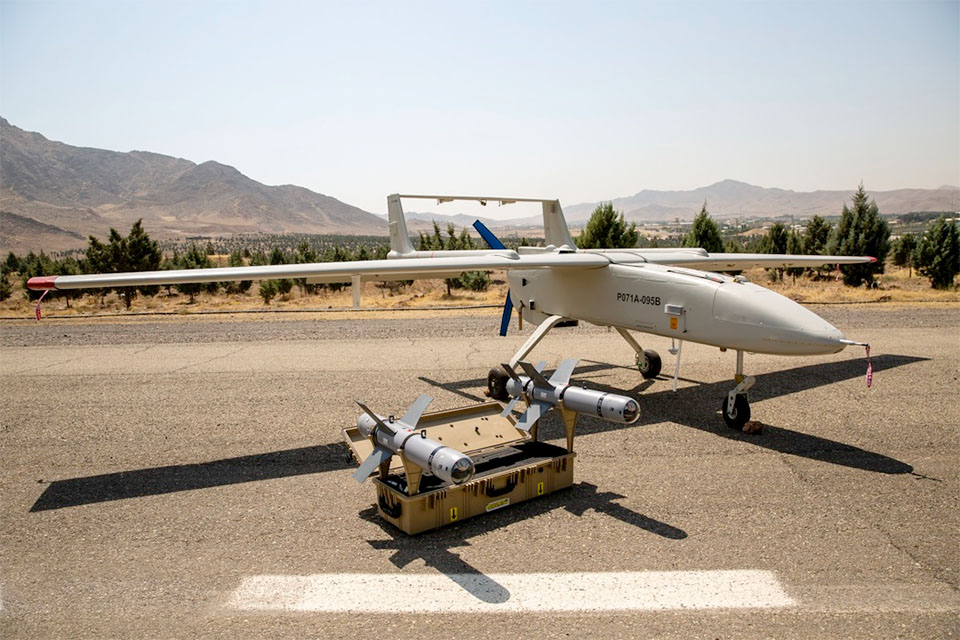
Mohajer-6
Origin: Iran
| Drone | Origin | Country Used | Operator |
|---|---|---|---|
| Wing Loong I | China | Ethiopia | Ethiopian Armed Forces |
| Bayraktar TB2 | Turkey | Ethiopia, Somalia | Ethiopian Armed Forces, Somalian Armed Forces |
| Bayraktar Akinci | Turkey | Ethiopia | Ethiopian Armed Forces |
| Mohajer-6 | Iran | Ethiopia, Sudan | Ethiopian Armed Forces, SAF |
"As African nations continue to invest in and deploy UAVs, the need for comprehensive policies and international cooperation becomes paramount to ensure that these technologies are used responsibly and do not exacerbate existing tensions" reads a part of the Military Africa report.
Additional research:
Jackline Macharia
Sources:
Drone Wars - Death on Delivery report published in March 2025, ACLED, Military Africa - Africa’s Drone Procurement Data.