ORDU: Remove non-tariff barriers, overlapping blocs for a prosperous African market
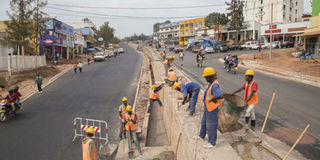
Construction of a road in Rwanda's capital Kigali. The Programme for Infrastructure Development in Africa envisages major highways across the continent. PHOTO | FILE | NATION MEDIA GROUP
Africa made history this year as the agreement establishing the African Continental Free Trade Area (AfCFTA) officially entered into force. As trading under the AfCFTA starts on July 1, 2020, with a market of over a billion people and income of about $3 trillion, the big question is whether the new free trade area will lead to one big African market.
Already, the AfCFTA has energised the continent by positioning regional integration front and centre. By requiring member states to remove tariffs from 90 per cent of goods, the agreement is expected to boost trade among African countries from its low level of 16 per cent. The Economic Commission for Africa estimates likely trade effects of over 50 per cent.